Carroll County’s TNR- Trap/Neuter/Release Program for feral cats.
Why the TNR program matters:
For the cats:
Population Control: Stops the cycle of reproduction, preventing endless litters of kittens.
Health Improvement: Reduces disease transmission and risks of reproductive cancers (like mammary tumors).
Behavior Modification: Eliminates nuisance behaviors like spraying, yowling, and fighting, leading to less stress and better health.
Increased Lifespan: Spayed/neutered cats often live longer, healthier lives outdoors.
For the community:
Reduces Nuisance: Less noise (caterwauling) and odor (spraying), improving neighbor relations.
Humane & Ethical: A compassionate alternative to euthanasia, recognizing feral cats aren’t suited for shelters.
Cost-Effective: Cheaper long-term than repeated removal and sheltering efforts.
Stabilizes Colonies: Prevents new cats from moving in and breeding, leading to stable, manageable groups.
For shelters & municipalities:
Decreased Shelter Intake: Fewer cats are brought to shelters, freeing up resources for other animals.
Less Euthanasia: Fewer unwanted cats end up needing to be euthanized.
How does the TNR program work?
Trap Neuter Return Program through the Carroll County Animal Shelter Carroll County Animal Shelter offers a Trap Neuter Return service for feral cats in Carroll County by appointment only on Tuesdays & Thursdays. Cats are dropped off at the shelter between 8:00-8:30 and picked up the same day between 4:00-4:30. Cats are spayed or neutered, vaccinated and ear-tipped. Cats must be in appropriate hard/soft cat carriers or live traps.
For more information or to schedule an appointment, please call the shelter during normal business hours. (770) 214-3590
12:30-4:30 Monday, Tuesday, Wednesday, Friday
12:30-6 Thursday
9-4 Saturday.
Sunday Closed.
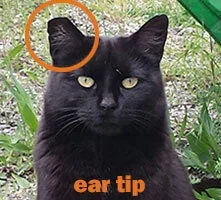
Here is an example of a cat who has been trapped, neutered and released, you can see the top of their ear has been tipped. If you see a feral cat with this ear tipping, it means they have been neutered and vaccinated.